
Symposium Venue
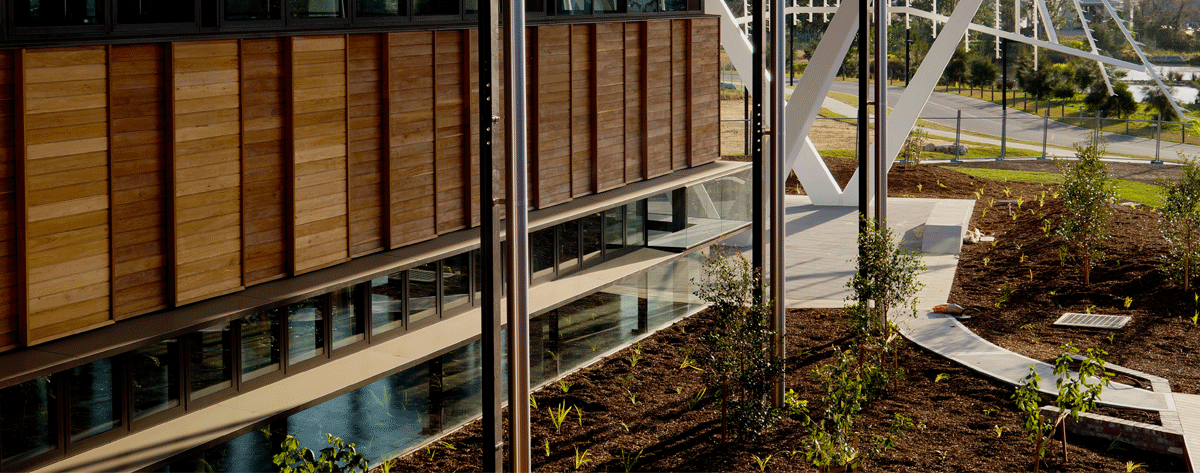
International Business School Maastricht
Domain of International Business & Communication
Zuyd University of Applied Sciences
Brusselseweg 150
6217 HB Maastricht
The Netherlands
Accommodation
Here are some of the hotels in Maastricht
-
Hotel Monastère Maastricht, Boschstraat 69-71, 6211 AV Maastricht
-
NH Maastricht, Forum 110, 6229 GS Maastricht
-
Leonardo Boutique Hotel Maastricht City Center, Stationsstraat 40, 6221 BR Maastricht
-
Amrâth Grand Hotel de l'Empereur, Stationsstraat 2, 6221 BP Maastricht
-
easyHotel Maastricht City Centre, Het Bat 12, 6211 EX Maastricht
-
Boutique Hotel Grote Gracht, Grote Gracht 56, 6211 SX Maastricht
-
Crowne Plaza Maastricht, an IHG Hotel, Ruiterij 1, 6221 EW Maastricht
-
Mabi City Centre Hotel, Kleine Gracht 24, 6211 CB Maastricht
-
Bastion Hotel Maastricht – Centrum, Boschstraat 27, 6211 AS Maastricht
-
Garner Hotel Maastricht by IHG, Pierre De Coubertinweg 3, 6225 XT Maastricht
-
Amrâth Hotel DuCasque, Helmstraat 14, 6211 TA Maastricht
-
Kaboom Hotel, Stationsplein 1, 6221 BT Maastricht
-
Boutique Hotel Sint Jacob, Sint Jacobstraat 6, 6211 LB Maastricht
-
The Social Hub Maastricht, Sphinxcour 9A, 6211 XZ Maastricht
-
Hostel: The Green Elephant Hostel & Spa, Sint Maartenslaan 11, 6221 AX Maastricht
-
Hostel: Stay Okay Maastricht, Maasboulevard 101, 6211 JW Maastricht
Accompanying Persons & Childcare Information
Travel Information
About Maastricht
Maastricht is a historic and welcoming city in the province of Limburg, located at the southernmost point of the Netherlands, where the borders of the Netherlands, Belgium, and Germany meet. This unique cross-border location gives the city a distinctly international atmosphere. With around 120,000 residents and a large student population, Maastricht feels lively, diverse, and easy to navigate. Most of the city centre can be comfortably explored on foot.
Maastricht is also internationally known as the birthplace of the Maastricht Treaty (1992), which laid the foundation for today’s European Union.
To learn more about the city, events, and attractions, you can visit Visit Maastricht, the official tourist information website.
If you would like to explore the city with a guide, Visit Maastricht offers a wide range of guided tours, including historical walks and themed tours:
https://www.visitmaastricht.com/en/doing/guided-tours
Maastricht is also well known for its shopping, offering a mix of well-known brands, local boutiques, and unique specialty stores. More information about shopping in Maastricht can be found here:
https://www.visitmaastricht.com/nl/doen/shoppen
https://shoppingmaastricht.nl/
A City Shaped by Time
Maastricht is one of the oldest cities in the Netherlands, and its long history is visible everywhere from ancient walls to underground tunnels. Over the centuries, the city has been shaped by Romans, religious leaders, merchants, soldiers, and statesmen. What makes Maastricht special is that many of these historical layers are still accessible today.
From Roman Roots to Medieval Streets
Maastricht began as a Roman settlement along the river Meuse, where a bridge and trading post were established over 2,000 years ago. During the Middle Ages, the city grew into an important religious and commercial centre. City walls, monasteries, and churches were built, many of which still define the old town today. Landmarks such as the Basilica of Saint Servatius, the Helpoort, and the Dinghuis reflect this period.
Fortifications and Underground Defences
Due to its strategic location, Maastricht was frequently involved in military conflicts. From the 16th century onward, an extensive network of underground tunnels known as the Casemates was constructed to defend the city during sieges. These passages can still be visited and offer a unique glimpse into historical urban defence.
Fort Sint Pieter
High above the city, Fort Sint Pieter was built in the early 18th century to protect Maastricht from attacks coming from the south. Today, it offers both insight into military history and panoramic views over the city and surrounding landscape.
Maastricht in World War II and the Cold War
During World War II, Maastricht’s underground tunnels and caves served as shelters from air raids. The caves beneath Mount Saint Peter even housed a secure art vault where hundreds of masterpieces including Rembrandt’s The Night Watch were stored for protection.
In the decades after the war, Maastricht once again played a strategic role during the Cold War. The former NATO headquarters in the city are a rare reminder of this period and highlight Maastricht’s continued relevance on the international stage.
Experiencing Maastricht Today
Today, Maastricht invites visitors to experience its history firsthand:
- Wander through the old city centre and discover Roman and medieval landmarks.
- Explore the underground Casemates and limestone caves.
- Visit Fort Sint Pieter overlooking the city.
- See how Maastricht played a role in European history, from Roman times to the Cold War.
Maastricht’s history is not just something to read about, it is something you can walk through, explore, and experience.
Getting to Maastricht
Thanks to its central location in Europe, Maastricht is easily accessible by public transport and from several nearby airports, including Amsterdam Schiphol, Eindhoven, Brussels Zaventem, Charleroi, Düsseldorf, Cologne Bonn, and Weeze.
Public Transport Tips
- Within the Netherlands:
Use the NS app for the most up-to-date train information. - From Amsterdam Schiphol: take the train to Utrecht Centraal, then continue to Maastricht.
- From Eindhoven Airport: take the bus to Eindhoven Central Station, then the train to Maastricht.
- From Belgium:
For Belgian rail connections, check the SNCB/NMBS app. - From Brussels Zaventem Airport: travel by train via Liège or via Leuven and Liège, then onward to Maastricht.
- From Charleroi Airport: a direct bus to Maastricht is available via Flibco.
- From Germany:
For German routes, consult the DB app. - From Cologne Bonn Airport: train to Cologne Central Station, then via Aachen to Maastricht.
- From Düsseldorf Airport: take the SkyTrain to the airport station, continue to Düsseldorf Central Station, then travel via Aachen or Herzogenrath to Maastricht.
- From Weeze Airport: travel by bus to Kevelaer, then continue by train via Krefeld, Viersen, Venlo, Roermond, and finally Maastricht.
Always check the relevant transport apps for the most current travel information.
Taxi Royal Maastricht = + 31 – 6 – 468 257 23
We are delighted to welcome you to the 7th Symposium on Circular Economy at Zuyd University of Applied Sciences, Brusselseweg 150, Maastricht.
We look forward to seeing you in Maastricht and sharing an inspiring conference experience with you.
Social Events
Location: Filmtheater Lumière Maastricht (https://maps.app.goo.gl/En7yTJWPs29kqcWJ6?g_st=ac)
Two rounds of drinks, and there is a children’s menu as well as a childcare provider who will eat with the children and then watch a movie with them.